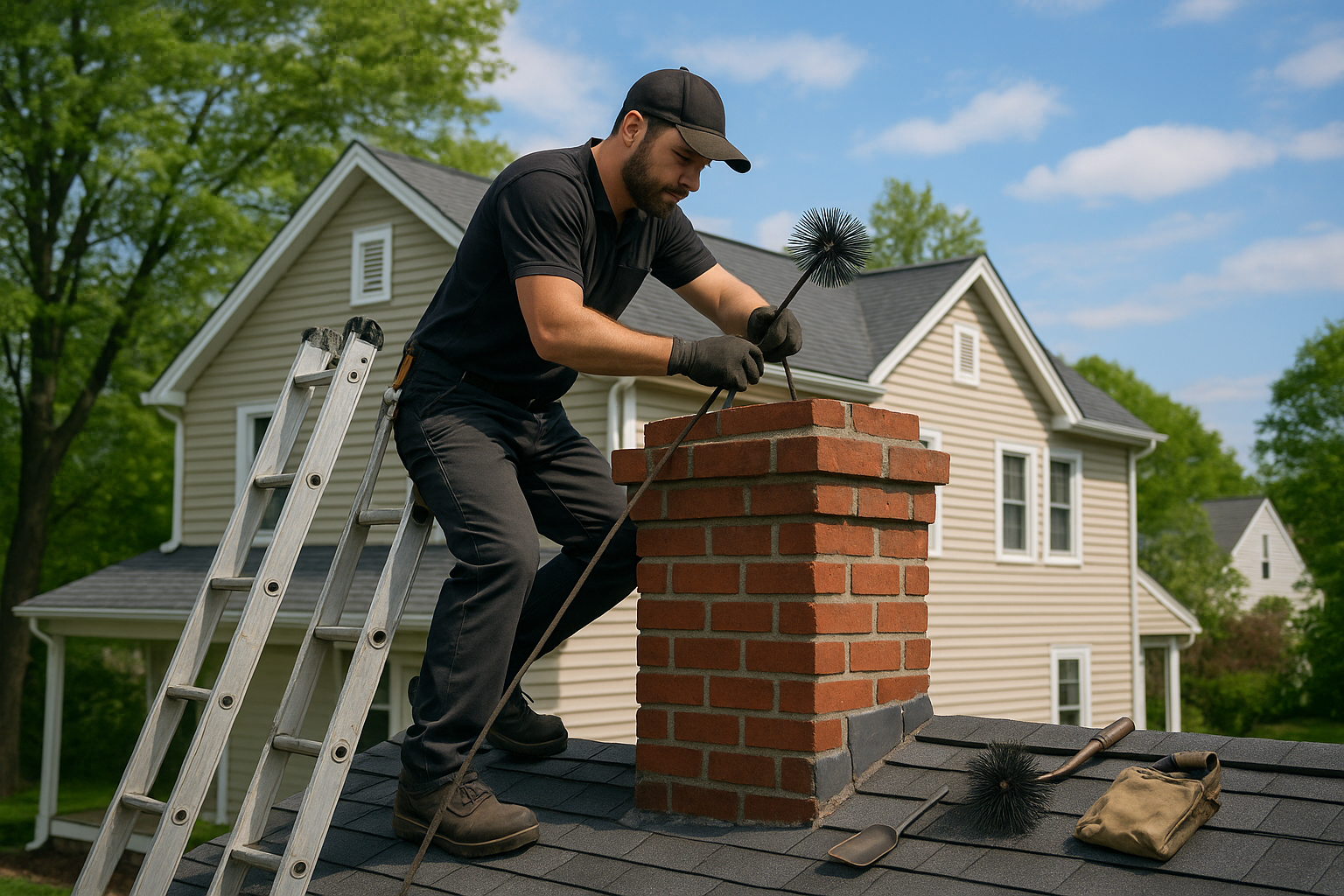
A chimney inspection is a systematic evaluation of the chimney, flue, and all accessible components that affect the safe operation of your fireplace, stove, or furnace. In Greenwich, CT—where coastal winds, humidity, and winter freeze–thaw cycles can accelerate wear—routine inspections are the most cost-effective way to prevent chimney fires, stop water damage before it spreads, and keep heating appliances running efficiently.
Greenwich Chimney Professionals provides inspections aligned with current industry standards. We examine the flue liner, smoke chamber, damper, crown, cap, flashing, and exterior masonry. When indicated, we perform a video scan to assess the internal condition of the flue, document findings with high-resolution photos, and deliver a clear, prioritized report. The result is simple: you understand your chimney’s condition and exactly what—if anything—needs attention next.
Not every chimney needs the same depth of inspection. We recommend the level that matches your situation, usage, and any signs of trouble.
A visual inspection of readily accessible components when there have been no changes to the system and it’s been used in the same way. We verify basic structure, clearances, and soundness of the accessible flue, damper function, and overall readiness for the burn season. This is the correct choice for many Greenwich households that schedule routine maintenance and use their fireplace or stove consistently year to year.
If you’re buying or selling a home, changing the appliance or fuel type, or if damage is suspected, we perform a Level II inspection with a video scan of the flue interior. This camera view allows us to identify cracked tiles, missing mortar joints, warped stainless liners, offsets, blockages, and hidden defects that can’t be seen otherwise. Level II inspections are the standard for real estate transactions in Greenwich and provide the documentation buyers, sellers, and insurers prefer.
Reserved for situations where Level I or II reveals a potentially serious hazard—such as severe liner failure, concealed construction defects, or evidence of a past chimney fire—Level III may require limited removal of building materials to access concealed areas. We explain findings, obtain your consent, and coordinate with you before proceeding. Our goal is precise diagnosis and a repair plan that restores safety and performance with minimum disruption.
Level I for annual users without changes; Level II for real estate, post-storm checks, after flue fires, or when switching from wood to gas; Level III only if evidence points to concealed, significant defects that can’t be confirmed any other way.
We follow a clean, methodical process designed to be thorough, transparent, and respectful of your home.
We start by learning how you use the system: wood- or gas-burning, frequency of use, any smoke, odor, or draft issues, and whether you’ve experienced leaks, staining, or prior repairs. Context helps us focus on likely trouble spots.
We examine the chimney from crown to flashing, looking for cracked crowns, open mortar joints, spalling brick, loose bricks or stone, rusting metal components, and gaps around the counter- or step-flashing where leaks start. In Greenwich’s freeze–thaw cycle, even hairline cracks admit water; we note and photograph them for the report.
Inside, we assess the firebox for cracked panels or brick, the smoke chamber for parging, voids, or excessive roughness that can encourage creosote, and verify damper function and seal. We also check hearth extension and clearances to combustibles near the opening.
For Level II, our camera scan reveals tile cracks, missing mortar joints, misaligned tiles, or deformation in steel liners. We confirm size compatibility with the appliance: an oversized flue on a small insert will draft poorly and produce heavy condensation; an undersized flue can cause smoke roll-out and odor. Correct sizing is essential to performance.
Where accessible, we check passes through attics, closets, or mechanical spaces for proper clearances and signs of heat transfer or water intrusion. Hidden leaks often show first as staining on sheathing or framing.
You’ll receive a clear, prioritized list: items that impact safety (e.g., unlined or cracked flue), items that affect performance (e.g., improper sizing, heavy creosote, negative pressure issues), and items related to longevity (e.g., minor crown cracks, early mortar erosion). Each entry includes photos and a practical plan—what to do now, what can wait, and how to budget intelligently.
Greenwich combines older masonry stacks in classic neighborhoods with newer prefabricated systems in recent builds. We frequently find hairline crown cracking from seasonal expansion, flashing fatigue near complex rooflines, and tile-liner mortar loss in chimneys that haven’t been scanned in years. On the performance side, homeowners often report smoky startups or odors after a long summer—usually a draft issue tied to humidity or a liner that’s no longer well matched to the appliance.
Another Greenwich-specific trend: coastal winds can force rain entry past inadequate caps or into deteriorated mortar joints. A proper stainless cap with a well-poured crown and sealed brick is more than cosmetic; it’s the difference between a dry, healthy flue and a slow, hidden leak that discolors ceilings and weakens structure over time.
For gas conversions, we often encounter oversized masonry flues left from wood-burning days. Without a properly sized liner, low-temperature exhaust condenses along the walls, leading to corrosive moisture, masonry damage, and odor. Our inspection notes this mismatch and details the right fix.
After the inspection, you’ll receive a written report with photos and plain-English explanations. If we recommend maintenance or repairs—like a sweep, smoke-chamber parging, crown rebuild, relining, or waterproofing—we explain the why, outline the process, and provide a fair estimate. You’ll know exactly what matters for safety now, what can be scheduled soon, and what to watch over time.
Buying or selling in Greenwich, CT? A Level II inspection with video scan and a documented report adds confidence and helps avoid last-minute surprises. If an issue is found, we can provide a remedy plan and, when asked, speak with your agent or attorney to clarify technical details.
If you suspect a flue fire, storm damage, or lightning strike, an inspection is your first step. We document conditions before and after repairs, which can support insurance claims and ensure the system is restored to safe operation.
At least annually for active systems, and prior to the first use if you’ve moved into a new home or made changes to the appliance or fuel. A simple Level I is appropriate for most annual checks; Level II is best for real estate and whenever a significant change or concern exists.
For Level II we do—because the video scan reveals conditions invisible from the appliance opening. It’s the most reliable way to confirm flue integrity and document your system’s true condition.
No. We use protective coverings and HEPA-filtered vacuums. Even when a sweep is performed in conjunction with your inspection, our process keeps your interior clean.
A Level I typically takes under an hour. Level II varies with accessibility and system complexity, commonly 60–90 minutes. If more time is required, we’ll let you know upfront.
You’ll receive photos, a clear explanation, and options. Some items are simple maintenance; others may require repair or relining. We prioritize safety and performance while respecting your budget.
Yes—upon request, we can share the report and discuss findings with your realtor, attorney, or contractor so everyone works from the same information.
Whether you’re preparing for winter, buying a home, or troubleshooting a draft or leak, Greenwich Chimney Professionals will evaluate your system and give you a straightforward plan.
Call (203) 884-8261 or email info@greenwichchimneyprofessionals.com. We proudly serve Greenwich, Riverside, Cos Cob, and Old Greenwich.
2025 © Greenwich Chimney Professionals — All Rights Reserved.